
State of Manufacturing INDUSTRY
2026
Explore the Data
Continue through the interactive web experience or download the full report to read and share offline.



State of Manufacturing INDUSTRY
2026
Artificial Intelligence
Key Insight N°2


Ambition is high. Scale is limited. Governance risk is rising.
To what extent has your organization adopted AI technologies?
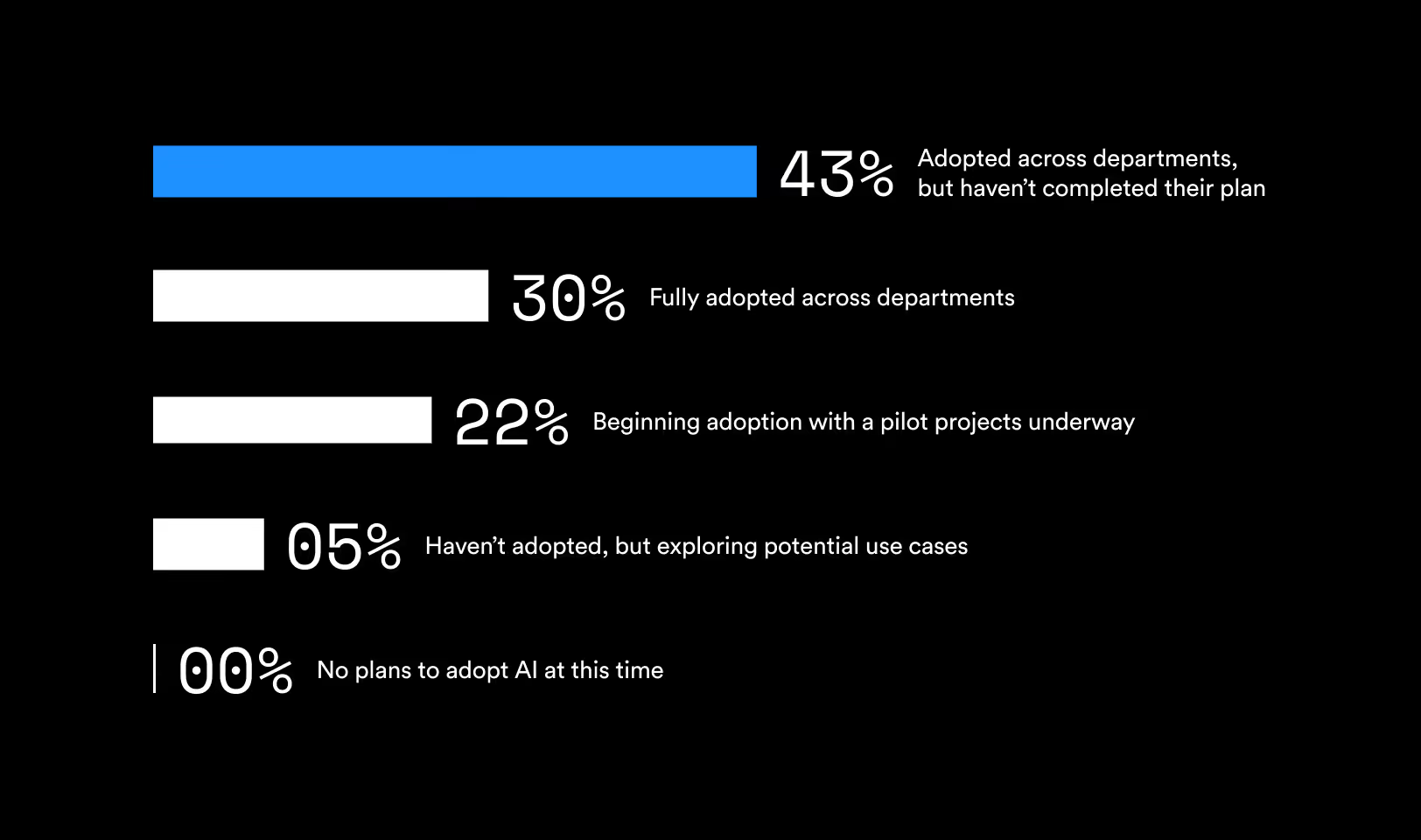
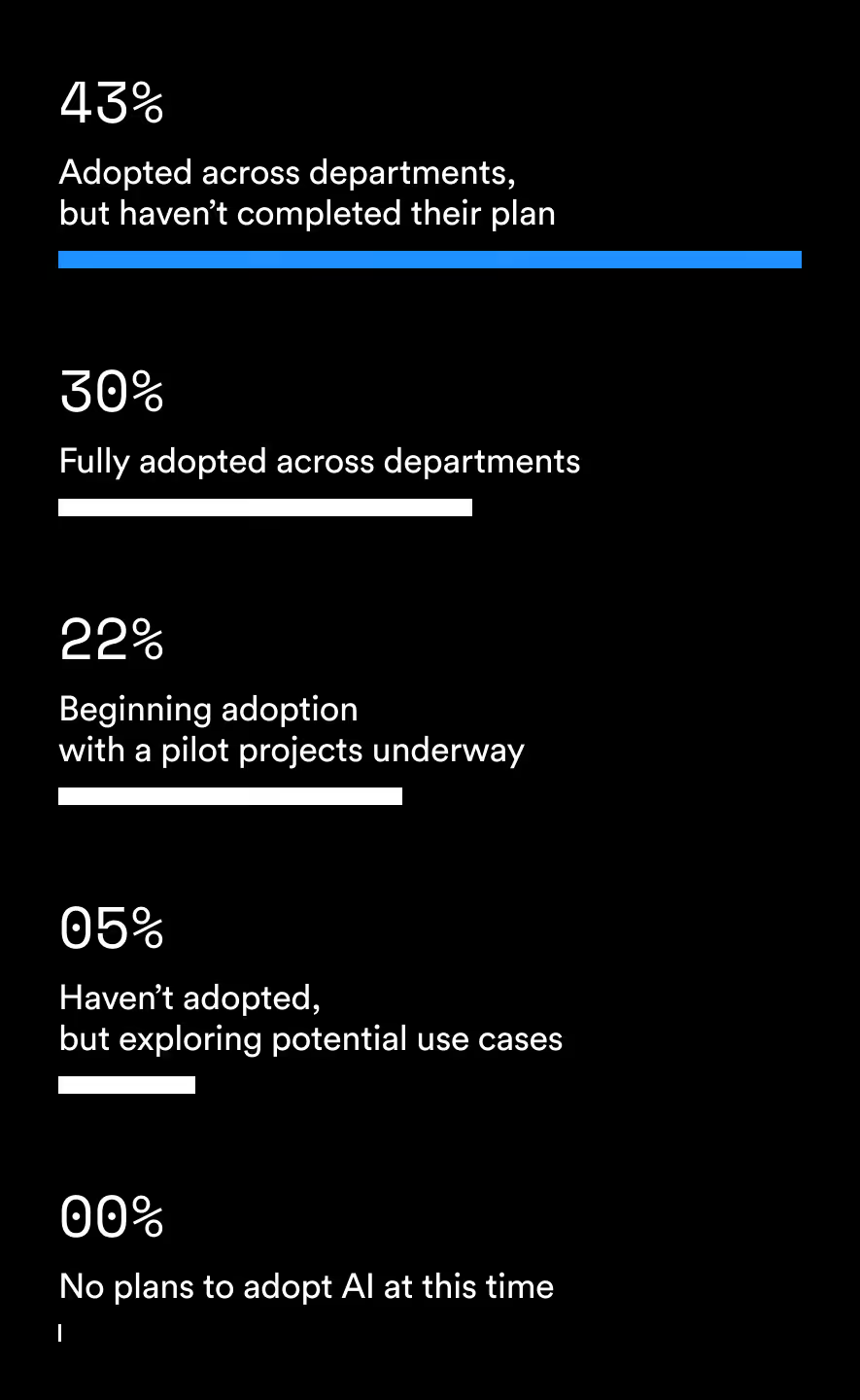
Close to a third (30%) have fully adopted AI across departments, while another
43% have adopted it in some departments but have yet to fully carry out their plan.
Sample Size
= 1,200
= 1,200
of surveyed manufacturers have adopted AI (up from 53% in 2024)
72%
have implementations underway
22%
have adopted AI/ML and automation at scale across their networks
10%
Which best characterizes the overall digital maturity of your manufacturing operations?
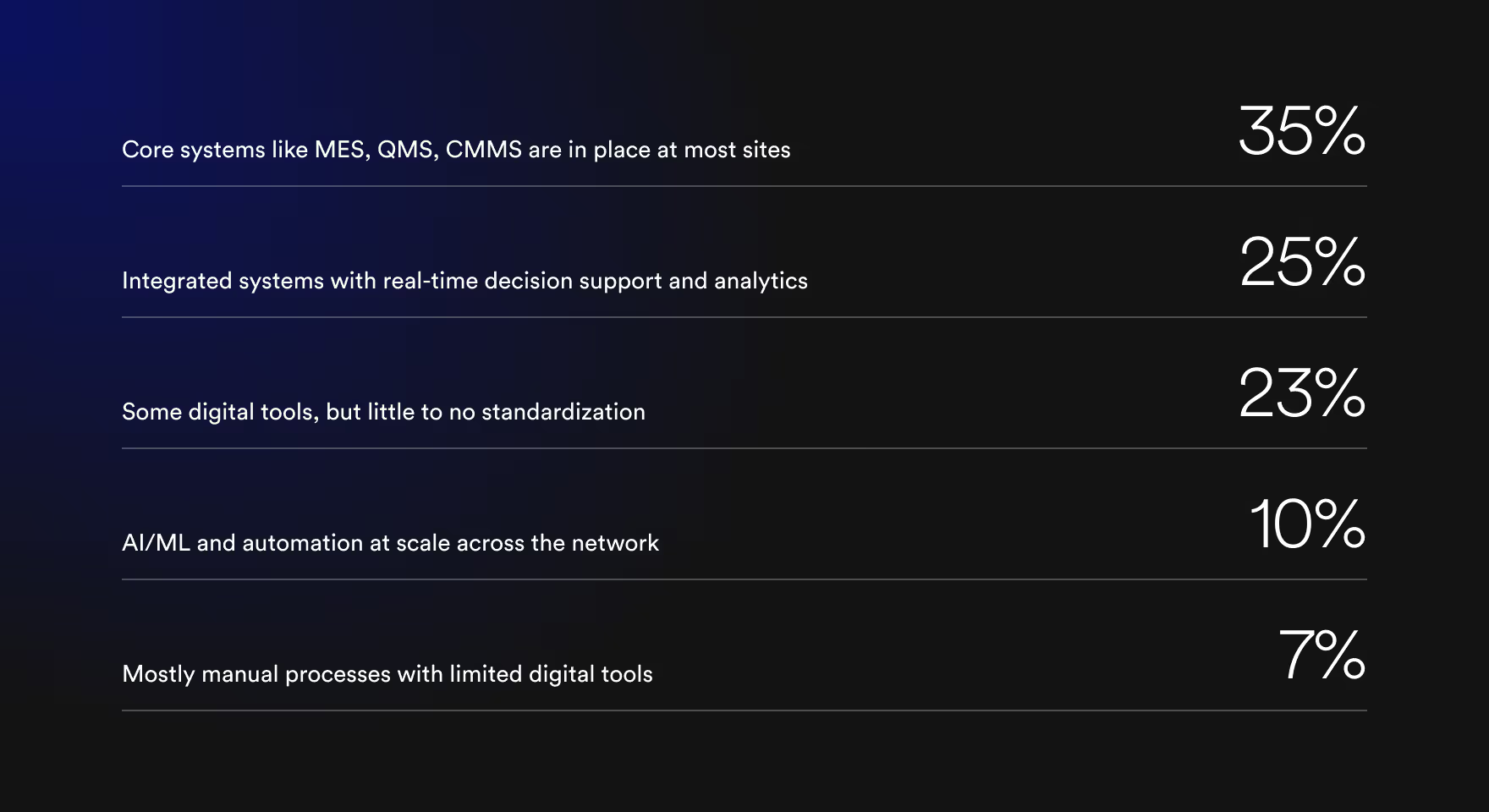
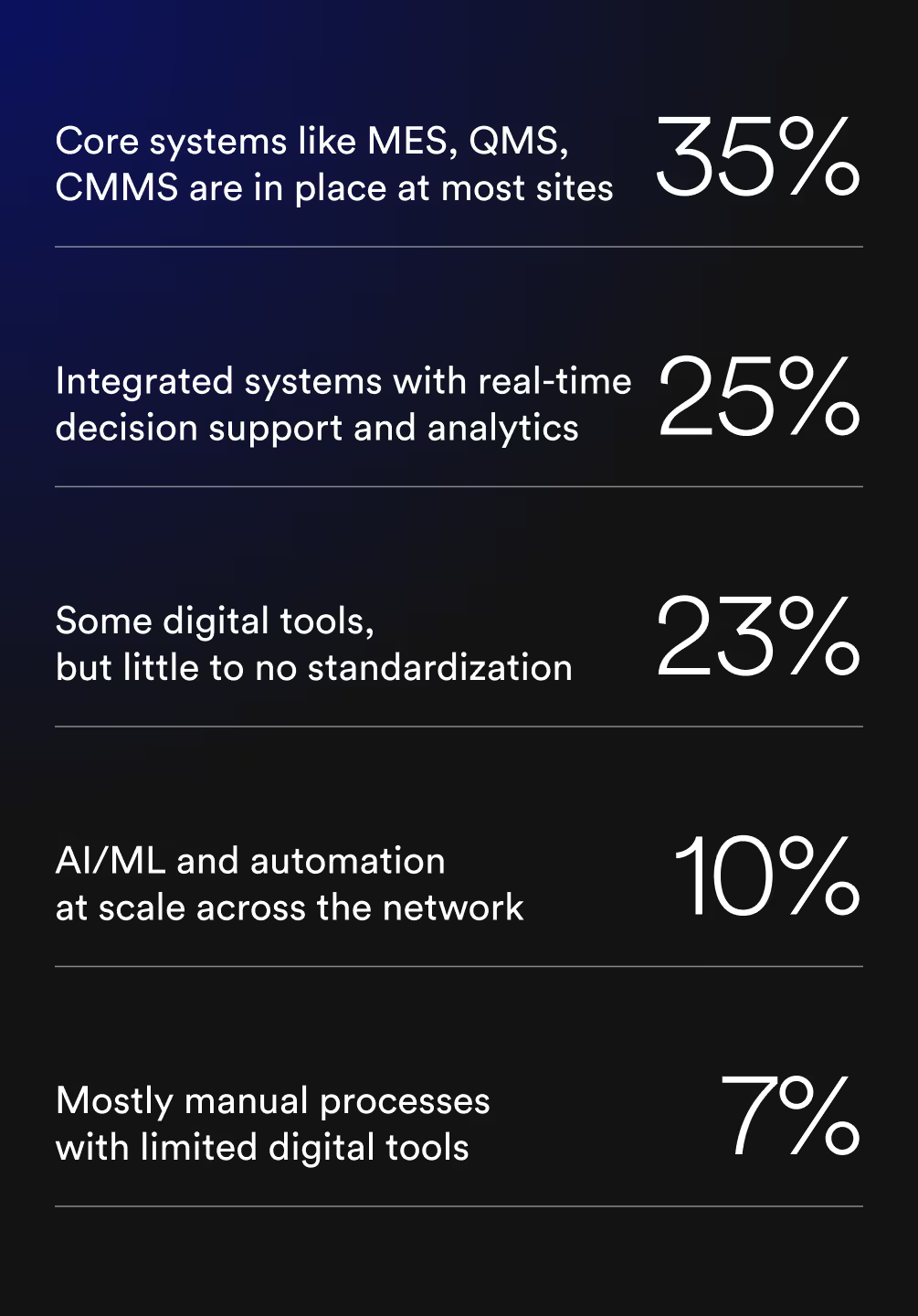
Just 10% of IT Leaders indicate their manufacturing operations have AI/ML and automation implemented at scale across the network, while another quarter (25%) have integrated systems with real-time decision support and analytics, and 35% at least have core systems like MES, QMS, and CMMS in place at most sites.
Among IT Leaders;
Sample Size = 400


Interpretation
AI adoption is accelerating rapidly, but deployment remains fragmented and localized. Most organizations are implementing AI at the pilot or departmental level rather than scaling across production environments.

Interpretation

Insight
AI adoption ≠ AI maturity. The gap between experimentation and operationalization is the defining challenge in manufacturing AI today.
Insight

Key Issue
The transition from pilot to production introduces integration, governance, and standardization challenges that most organizations are not yet equipped to manage.
Key Issue

Top AI Use Cases
Top use cases include:
Quality control
50%
IT operations
46%
Supply chain management
45%
interpretation
interpretation
These use cases share common characteristics:
• Measurable outcomes
• Structured data environments
• Clear and immediate ROI
• Measurable outcomes
• Structured data environments
• Clear and immediate ROI
In which of the following manufacturing business functions have you seen or do you anticipate seeing AI have the most impact? Please select all that apply.
Manufacturing Professionals have most commonly seen, or anticipate seeing, AI impact their quality control (50%), IT operations (46%), supply chain management (45%), and process automation (45%) functions.
Sample Size
= 1,200
= 1,200
what’s missing
what’s missing
The challenge is no longer access to technology
AI adoption begins where value is clear and data is accessible—not necessarily where transformation is most needed.
insight
insight
AI adoption remains limited in:
• Core production workflows
• Real-time operational control
• Cross-functional orchestration
• Core production workflows
• Real-time operational control
• Cross-functional orchestration
This highlights the gap between localized optimization and enterprise-wide transformation.

Barriers to Wider Adoption
Top barriers include:
High implementation costs
40%
Data privacy and security concerns
39%
Difficulty integrating with existing systems
38%
Compared to 2024, where infrastructure limitations were the primary constraint, concerns have shifted toward governance, cost, and integration complexity.
Which of the following barriers are preventing or would prevent your organization from wider adoption
of AI? Please select all that apply.
For those who have not yet fully adopted AI, implementation costs (40%) and data privacy and security concerns (39%) are top barriers to the wider adoption.
Among those who have not yet fully adopted AI; Sample Size = 842
Interpretation
These barriers are not independent challenges—they are interconnected symptoms of deeper architectural issues.
Interpretation
Insight
The primary constraint to AI adoption is not the technology itself—it is the operational foundation, including fragmented systems and inconsistent data architecture.
Insight

Key Point
Integration becomes the dominant challenge when moving from:
Pilot → Production
Department → Enterprise
Pilot → Production
Department → Enterprise
Key Point

Risk Perception
Leaders identify two primary AI risks:
Thinking about your company’s AI strategy, which of these do you believe your company is in greater risk of?
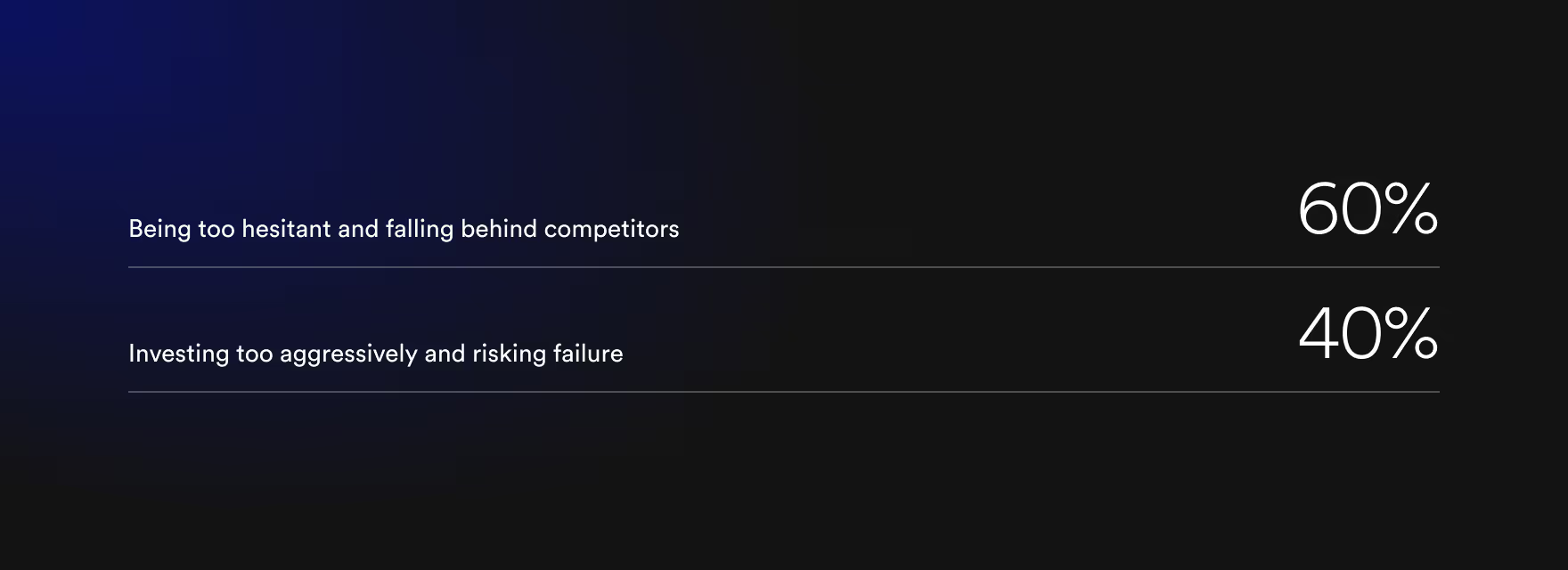
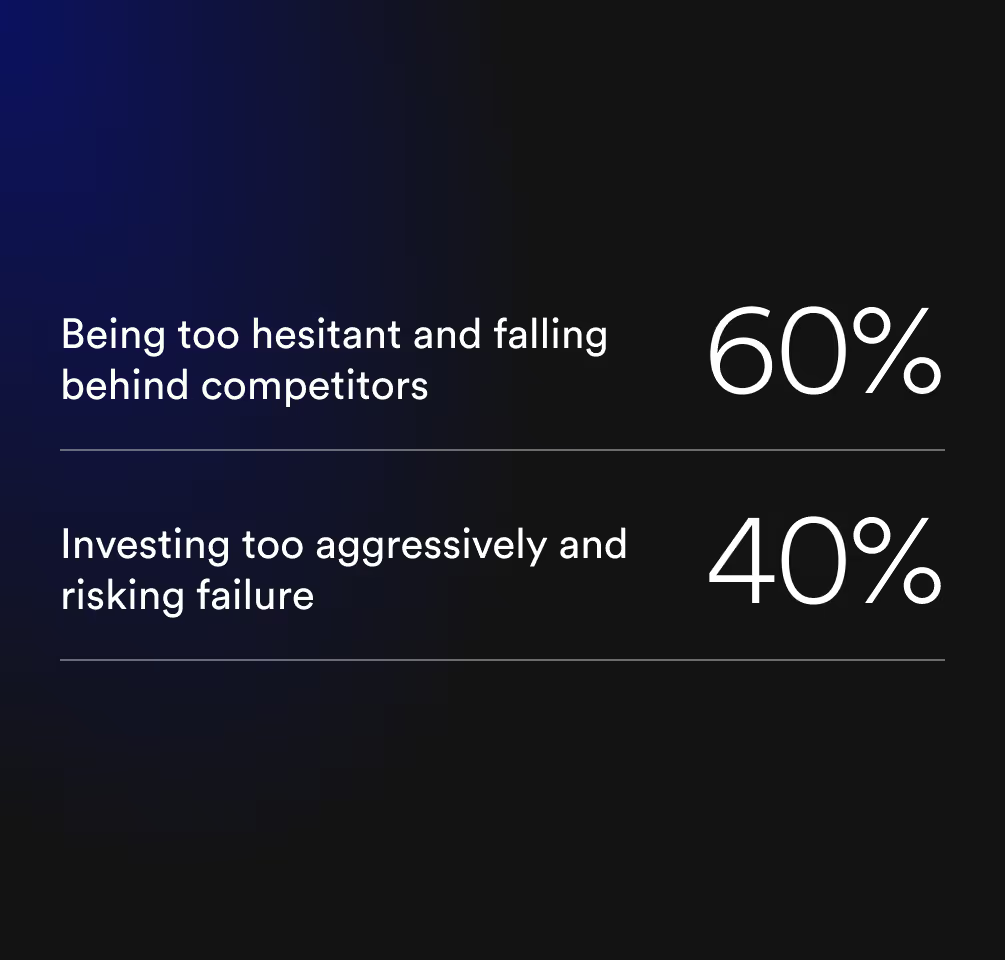
For 60%, their company is in greater risk of being too hesitant in their AI strategy and risking falling behind rather than investing too much in AI and risking failure.
Sample Size = 1,200
When asked about cybersecurity threats:
What are the three biggest cybersecurity risks for your company right now? Please select your top three.
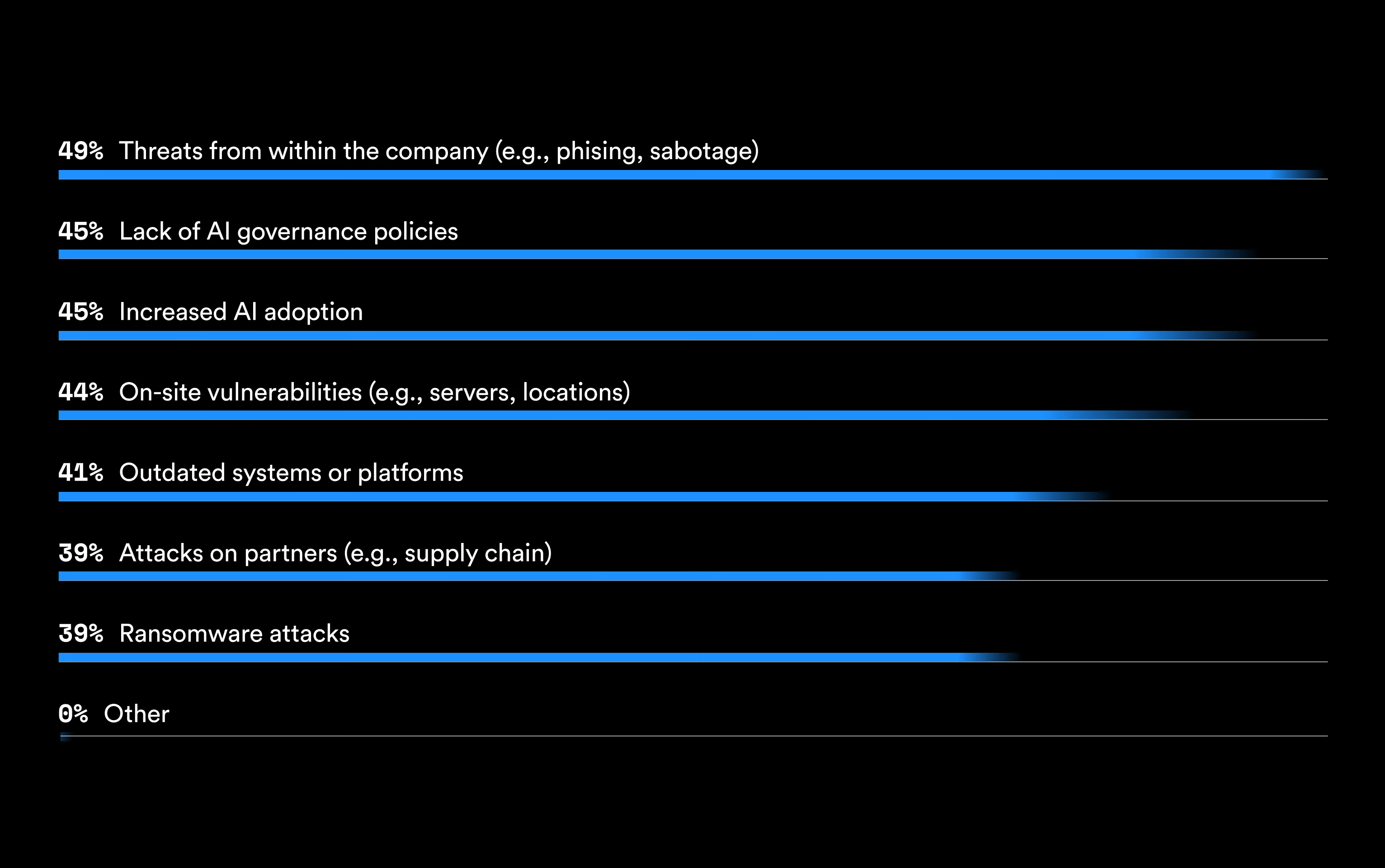
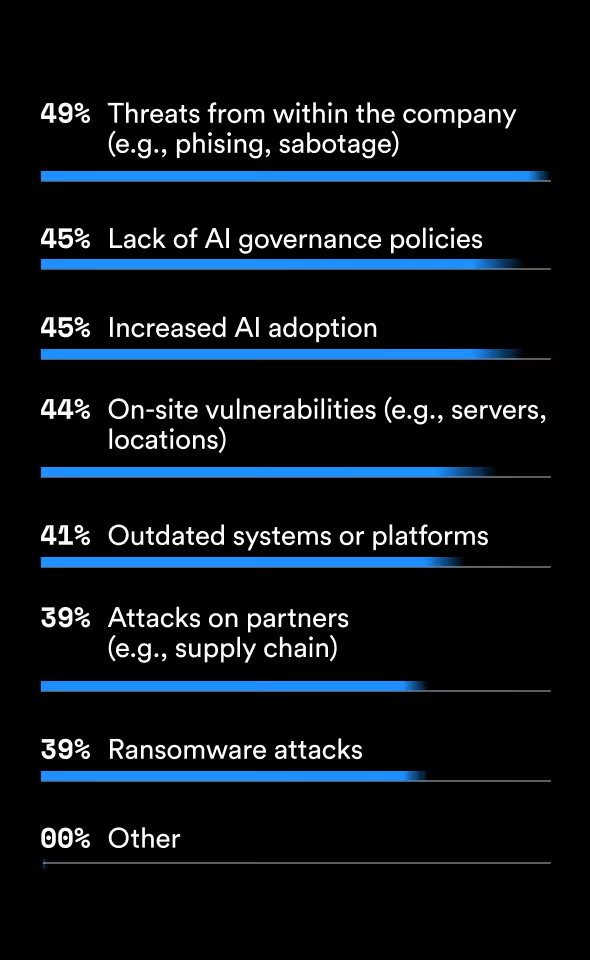
For close to half of IT Leaders (49%), threats from within the company are among their three biggest cybersecurity risks right now, followed by increased AI adoption (45%) and lack of AI governance policies (45%).
Among IT Leaders; Sample Size = 400
Cited internal threats
(phishing, sabotage)
(phishing, sabotage)
49%
Cited AI adoption
45%
Cited lack of
AI governance policies
AI governance policies
45%
interpretation
interpretation
AI is viewed simultaneously as a strategic opportunity and a source of risk, particularly in the absence of clear governance structures.
insight
insight
As AI adoption increases, governance maturity becomes as important as technical capability.

