State of Manufacturing INDUSTRY
2026

Medium length heading

Lorem ipsum dolor sit amet, consectetur adipiscing elit. 
Suspendisse varius enim in eros elementum tristique.
State of Manufacturing INDUSTRY
2026

Labor

Labor

Workforce Capability

as a Gating Factor

Manufacturers continue to face persistent workforce challenges:

Talent shortages
Skills gaps
Difficulty recruiting

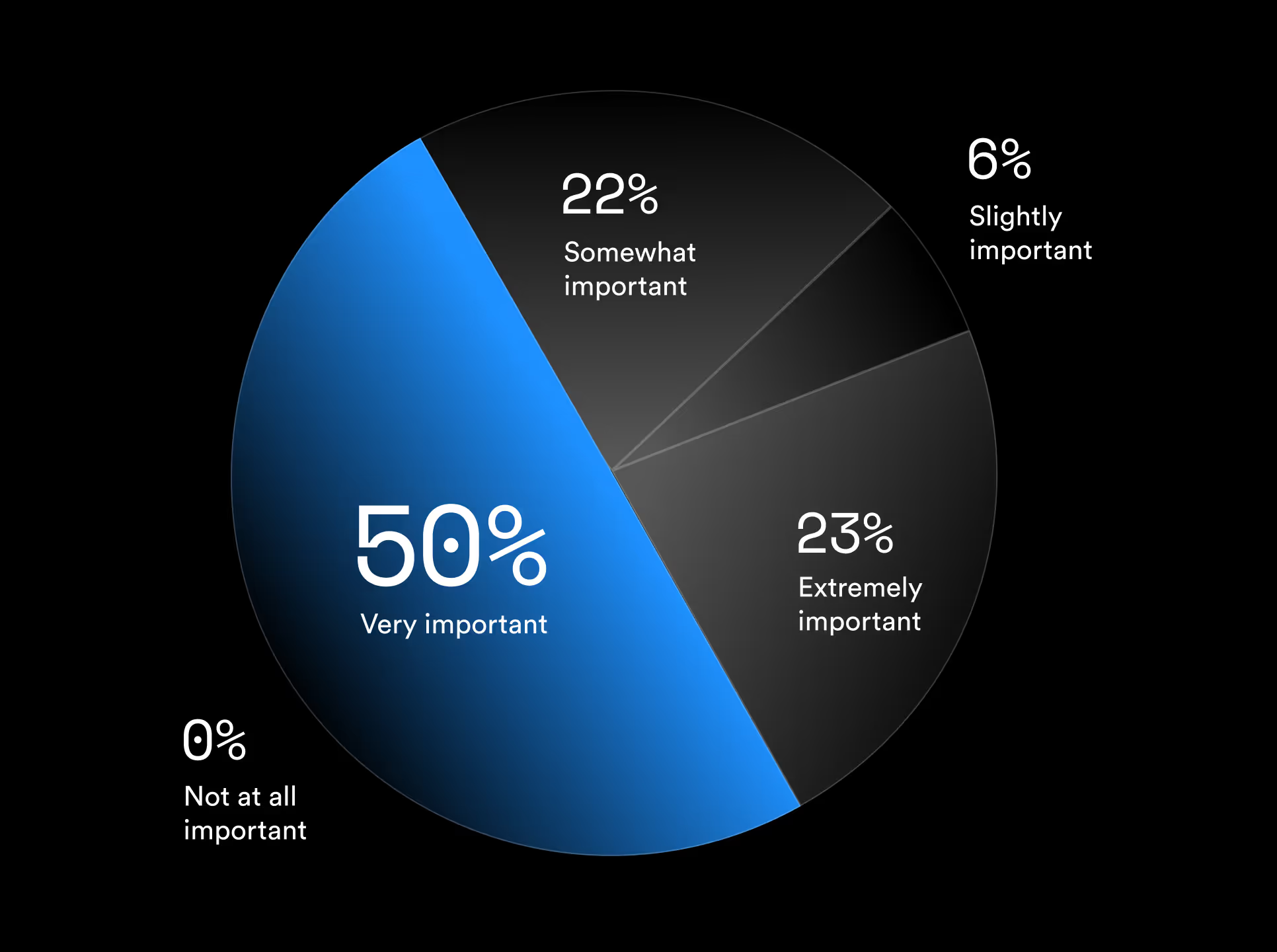
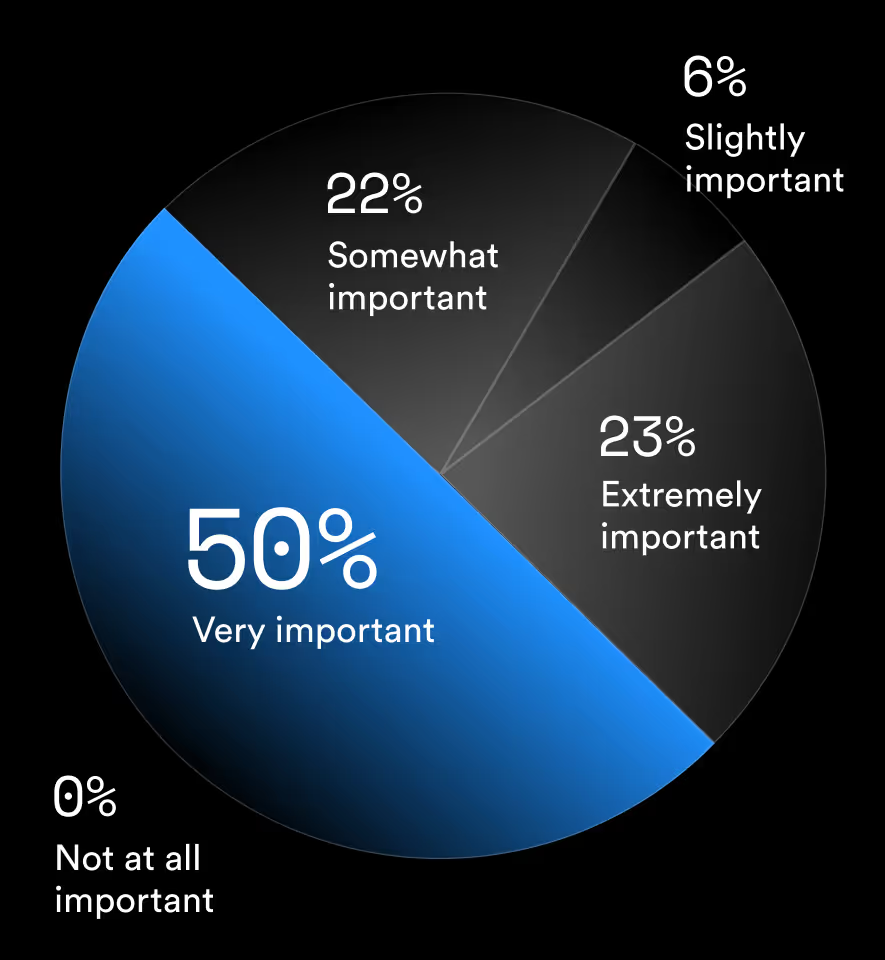
72% of surveyed respondents say upskilling their workforce will be very or extremely important over the next three years.

interpretation
How important will upskilling your current workforce be to your company’s long-term viability over the next three years?
For 72% of Manufacturing Professionals, upskilling their current workforce will be very or extremely important to their company’s 
long-term viability over the next three years.
Sample Size= 1,200
insight

Top Recruitment Strategies

Top recruitment strategies include:

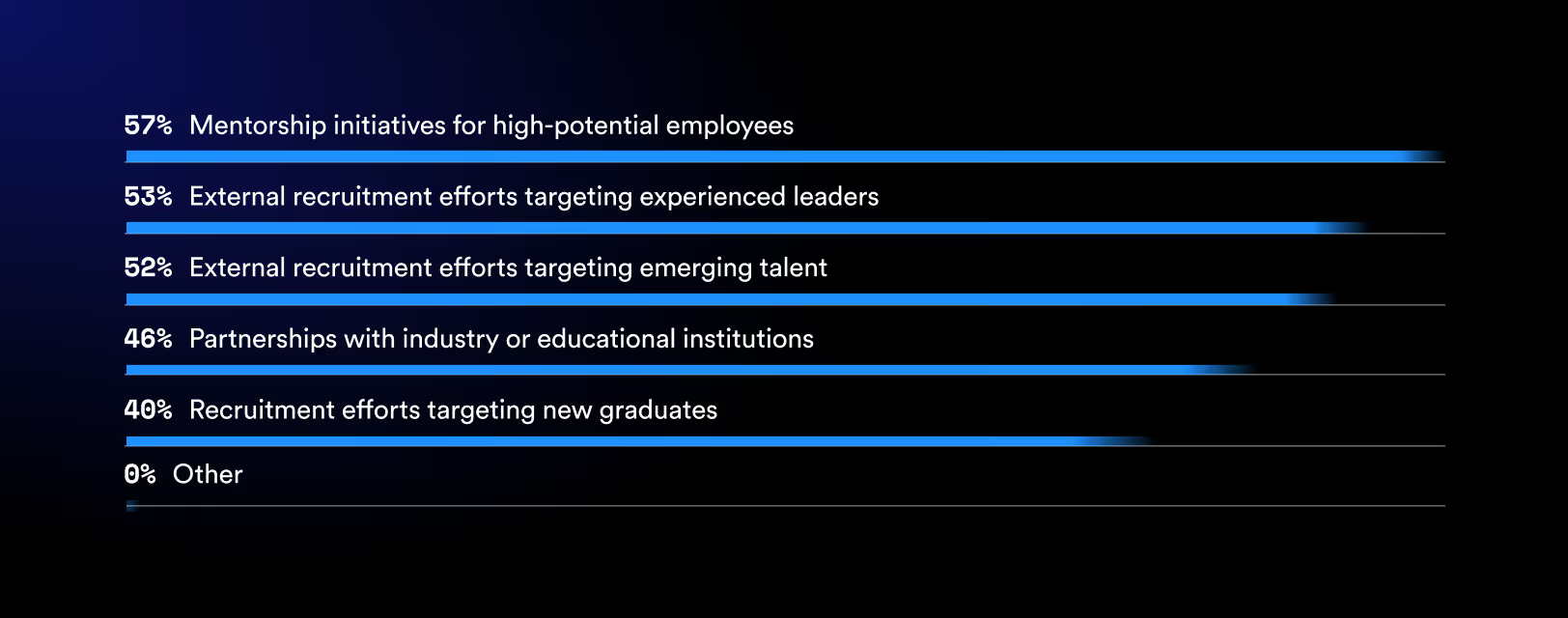
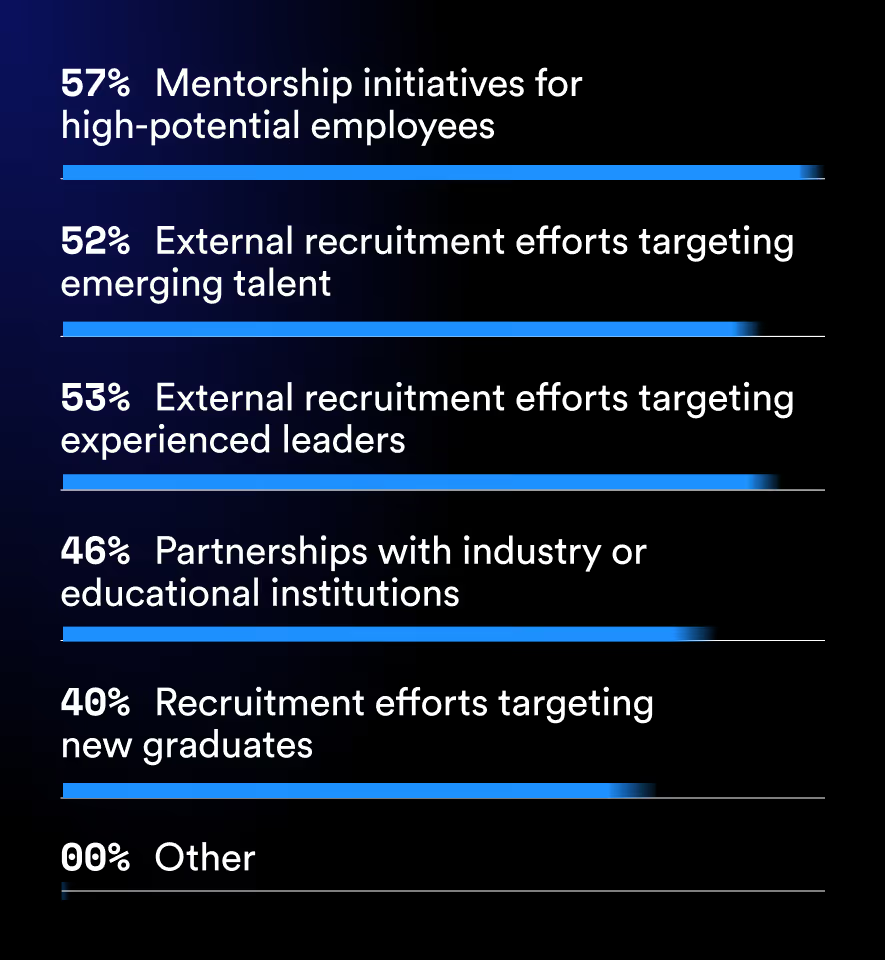
What initiatives is your company using to help identify and recruit the next generation of leaders? Please select all that apply.
Companies are most commonly using mentorship initiatives for high-potential employees (57%) and external recruitment efforts targeting experienced leaders (53%) or emerging talent (52%) to identify and recruit the next generation of leaders.
Sample Size= 1,200
Mentorship for high-potential employees
57%
Recruiting experienced leaders
53%
Recruiting emerging talent
52%
Interpretation
Manufacturers are pursuing a mix of internal development and external hiring to address talent gaps, reflecting both immediate needs and long-term capability building.
Interpretation
Insight
There is no single solution to the workforce challenge—organizations must simultaneously build, attract, and retain talent.
Insight

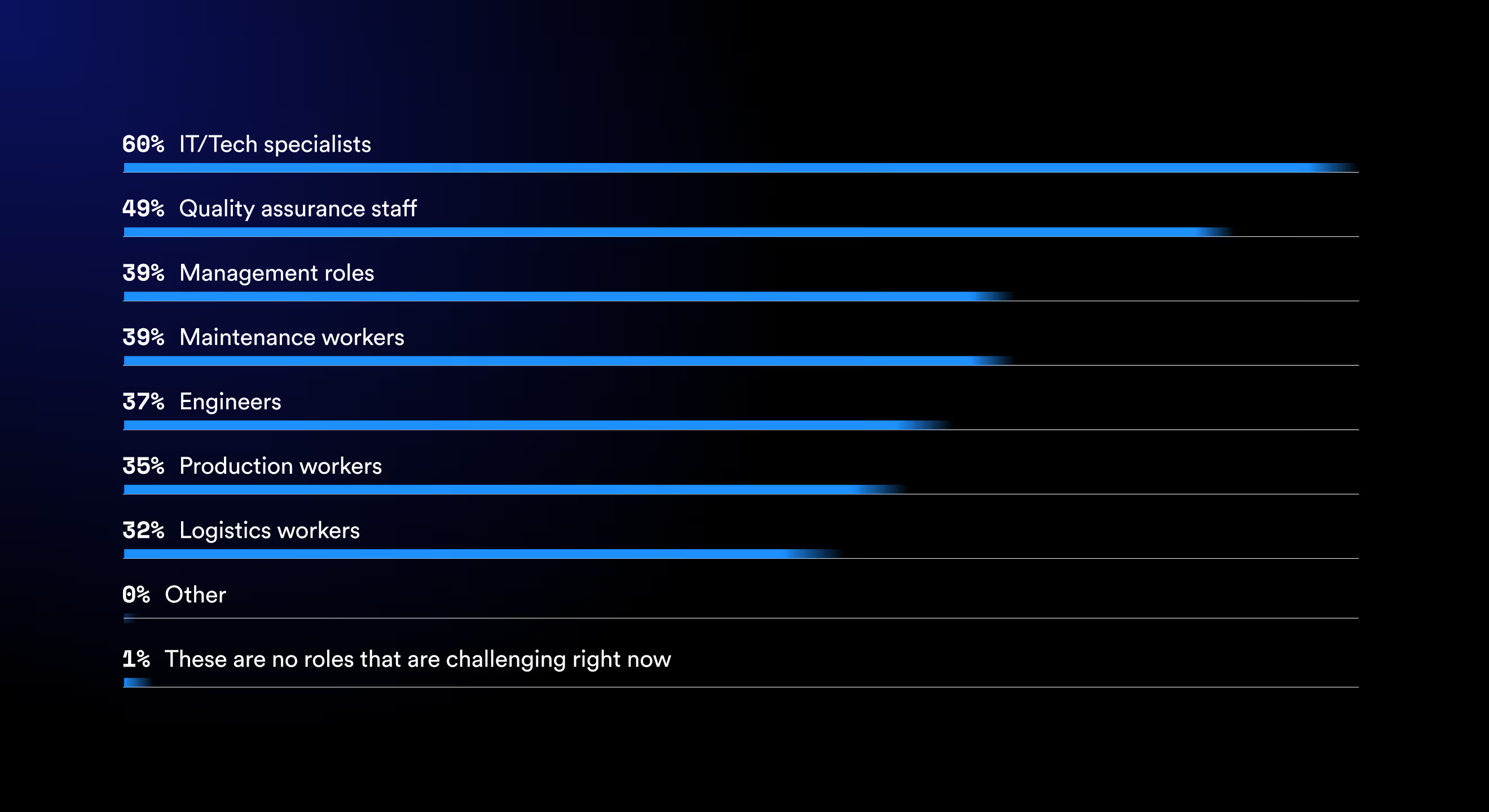
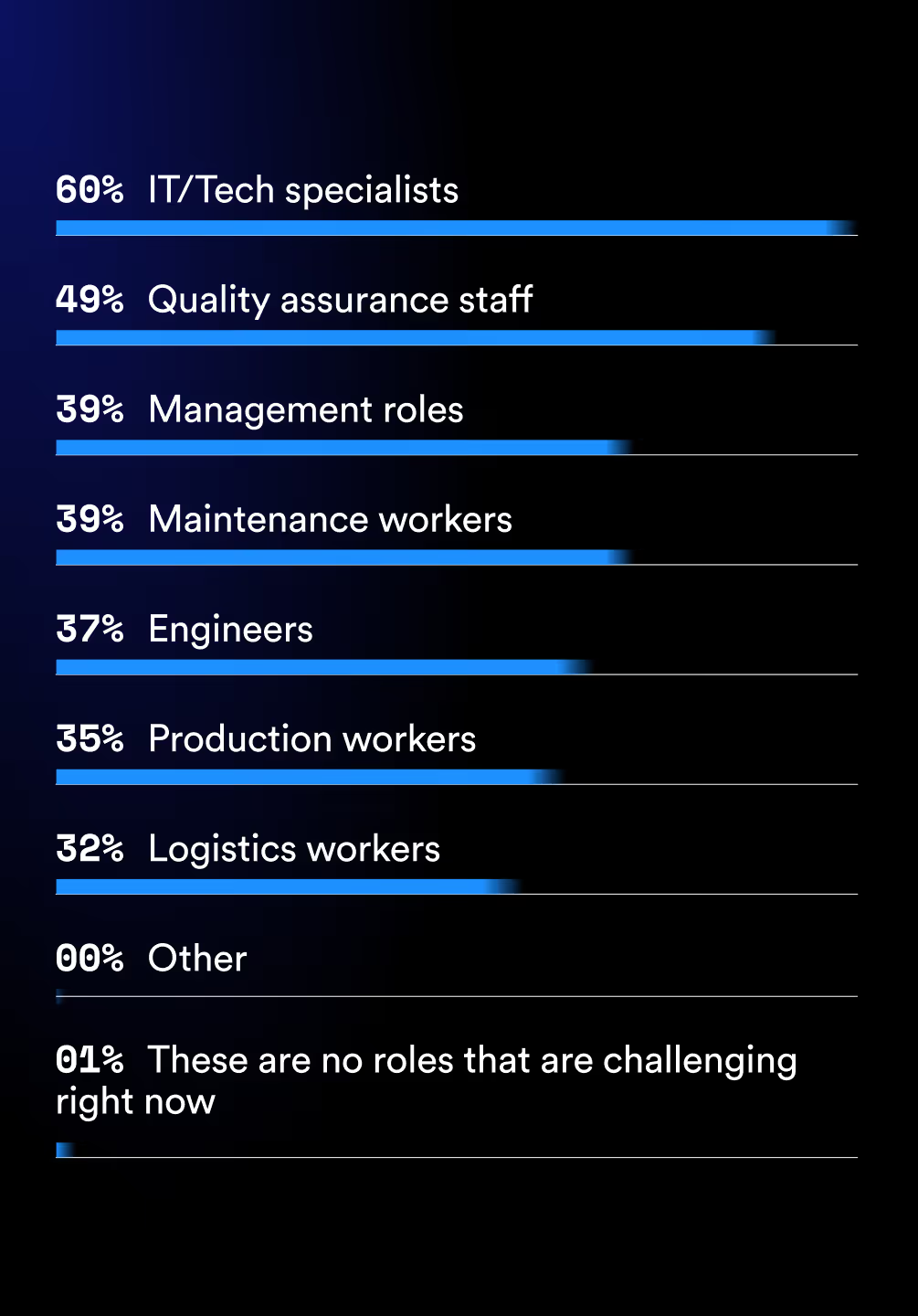
Most Difficult Roles to Fill

IT/Tech specialists
60%
Quality assurance staff
49%
Management roles
39%
What types of manufacturing roles, if any, are the most challenging to fill at your company right now? Please select all that apply.
The most common types of manufacturing roles that are a challenge to fill right now are IT/Tech specialists (60%), followed by quality assurance staff (49%).
Among OT Leaders and IT Leaders;
Sample Size = 800

Additionally, 84% believe manufacturing’s perception as a low-skill, labor-intensive field makes recruiting technical talent more difficult.
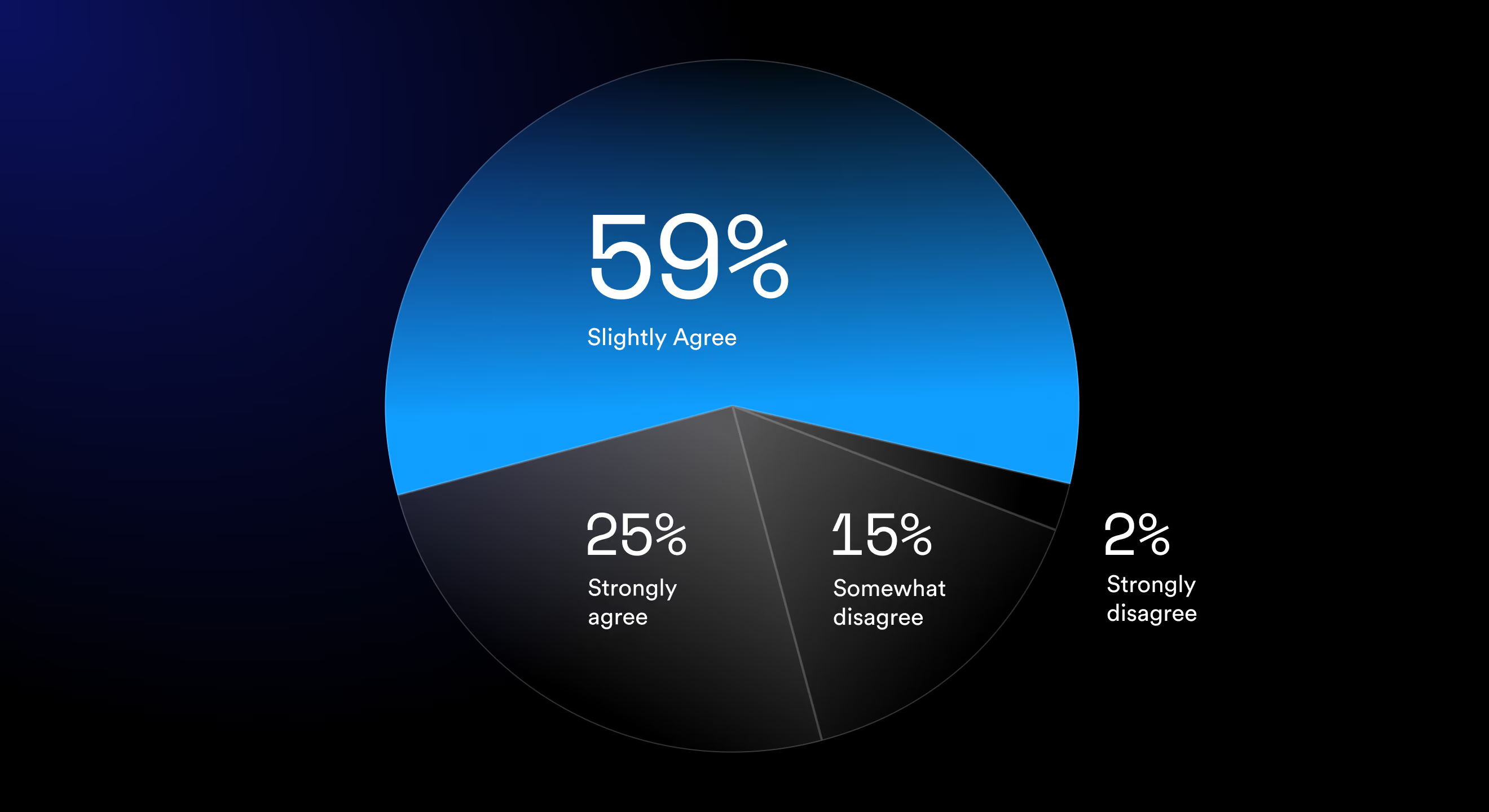
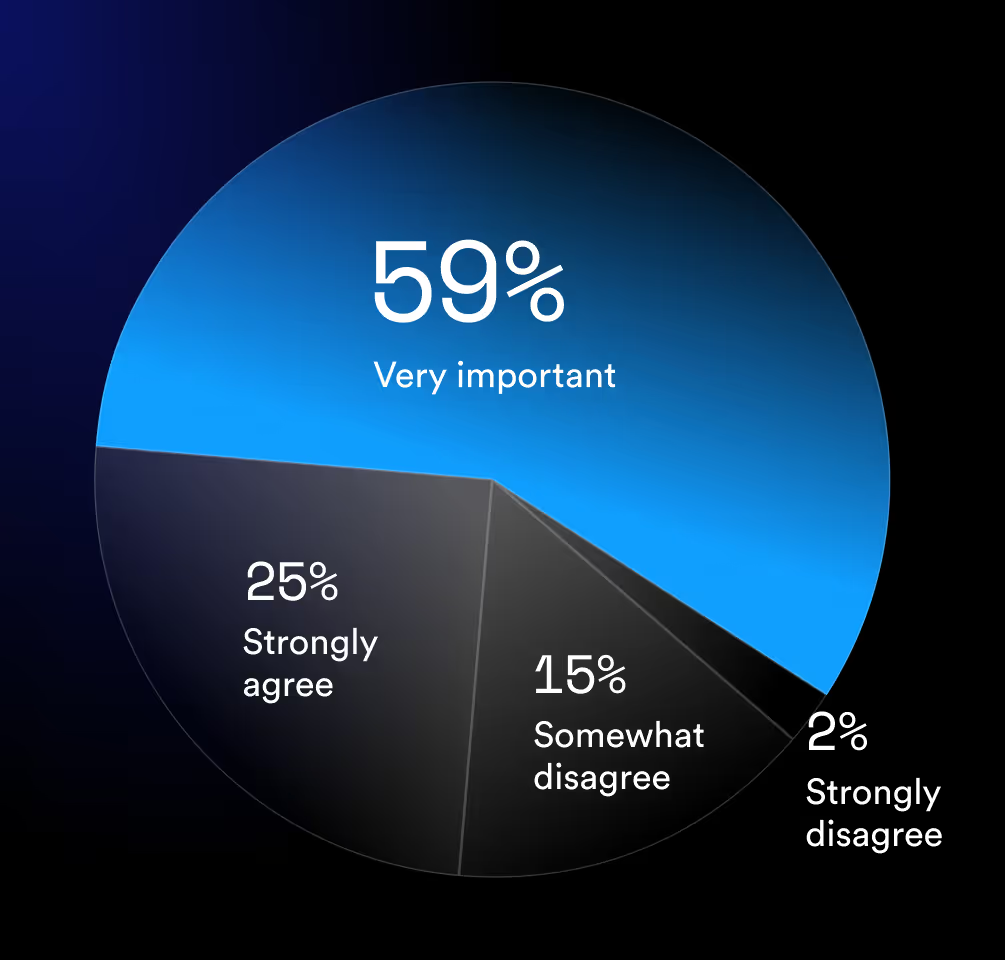
How strongly do you agree or disagree with the following statement?
Recruiting top tech talent is more difficult 
in my industry than in others because manufacturing is often incorrectly perceived as a labor-intense / low-skill industry.
Most Manufacturing Professionals (84%) believe recruiting top tech talent is more difficult in their industry than in others because manufacturing is often incorrectly perceived as a labor-intense / low-skill industry.
Sample Size = 1,200
interpretation
insight

Workforce Readiness and AI

Manufacturers are split on the impact of AI on jobs:

Believe AI could replace at least half of certain departments
53%
Do not
40%
How strongly do you agree or disagree with the following statement?
I think AI could replace at least half of my department within the next three years.
More than half of IT Leaders and Executive Stakeholders (53%) think AI could replace at least half of their department within the next three years.
Among IT Leaders and Executive Stakeholders; Sample Size = 800

Meanwhile, 45% cite internal skill gaps as a major challenge when integrating new systems.

What are the biggest challenges your organization faces when integrating new manufacturing systems? Select up to three.
For OT and IT Leaders, the biggest challenges they face when integrating new manufacturing systems are internal integration skill gaps (45%) and data inconsistencies or silos (43%).
Among OT Leaders and IT Leaders;
Sample Size = 800
Interpretation
Organizations are navigating uncertainty around the role of AI in the workforce, while simultaneously lacking the skills required to implement and scale new technologies.
Interpretation
Insight
Organizations are navigating uncertainty around the role of AI in the workforce, while simultaneously lacking the skills required to implement and scale new technologies.
Insight
Key Tension
AI is viewed as:
• An opportunity by leadership
• A potential threat by segments of the workforce
Key Tension

Global Talent Variability

Manufacturers report mixed hiring conditions globally when compared to one year ago:

Country
Easier
than before
Harder
than before
Sort by
Thank you! Your submission has been received!
Oops! Something went wrong while submitting the form.
Portugal
Easier than before
48
%
Harder than before
22
%
United States
Easier than before
46
%
Harder than before
31
%
Brazil
Easier than before
42
%
Harder than before
18
%
Switzerland
Easier than before
39
%
Harder than before
23
%
Spain
Easier than before
36
%
Harder than before
39
%
Denmark
Easier than before
29
%
Harder than before
26
%
Germany
Easier than before
29
%
Harder than before
26
%
United Kingdom
Easier than before
21
%
Harder than before
48
%
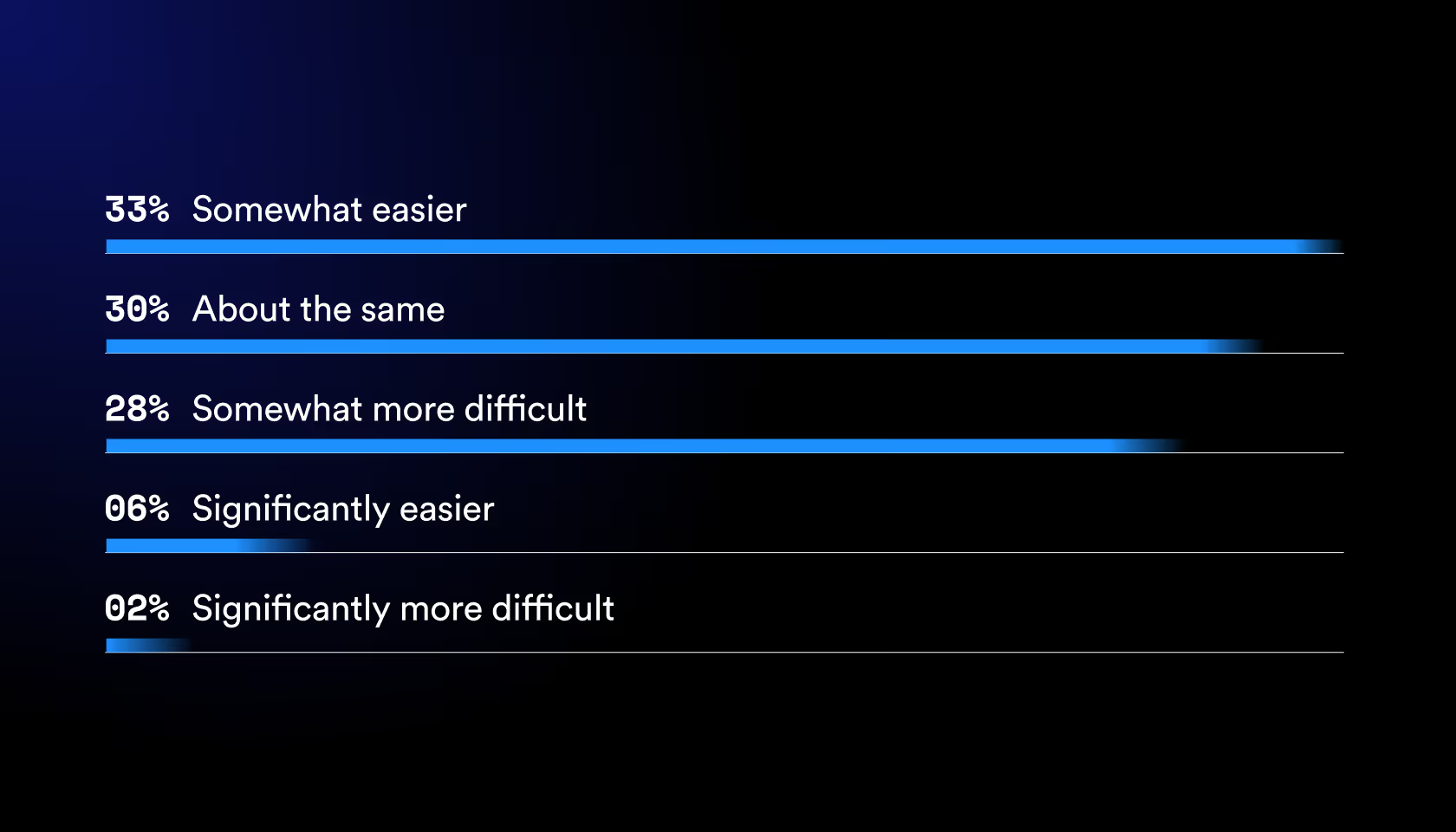
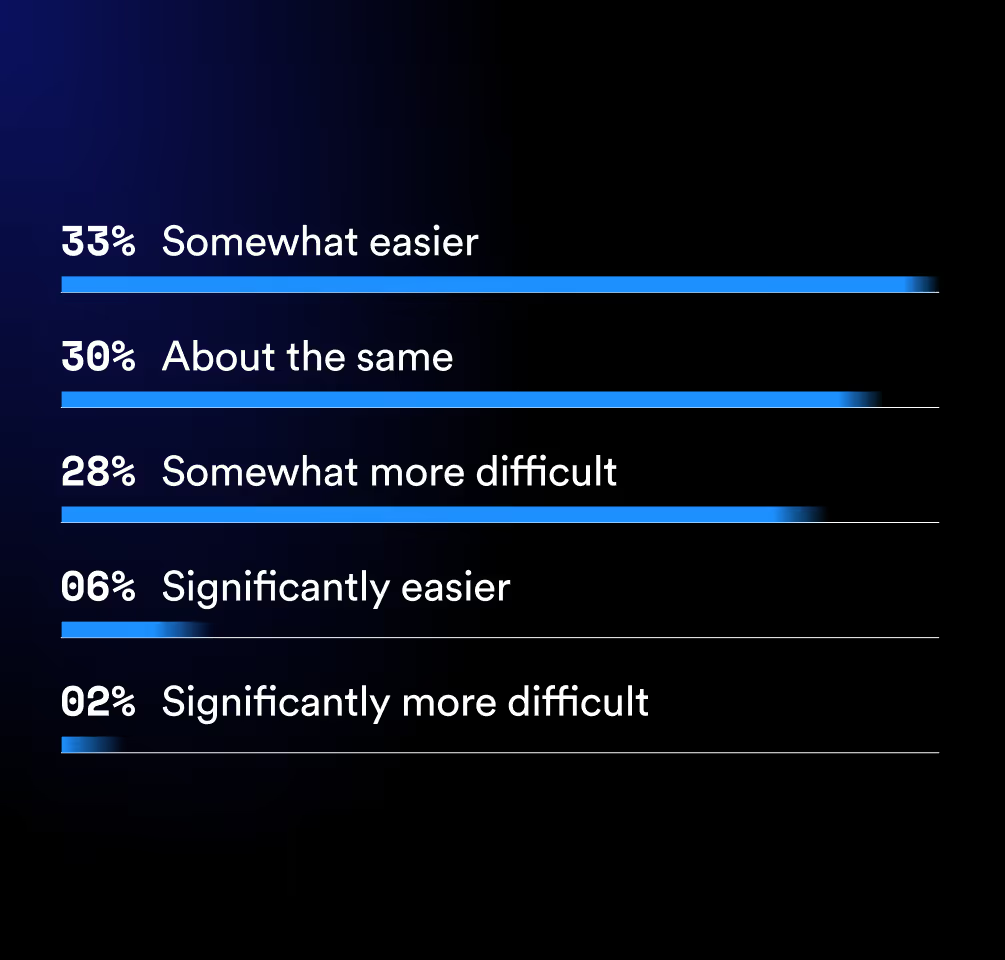
Compared to a year ago, how easy or difficult is it to find and retain workers with top technology skills?
Nearly two in five OT and IT Leaders (39%) are finding it more difficult to find and retain workers with top technology skills now compared to a year ago.
Among OT Leaders and IT Leaders; Sample Size = 800
Interpretation
Labor market conditions 
vary significantly by region, reflecting differences 
in economic conditions, workforce availability, 
and industrial dynamics.
Interpretation
Insight
Workforce challenges are global but uneven—requiring region-specific talent strategies rather than a one-size-fits-all approach.
Insight